
La Gomera
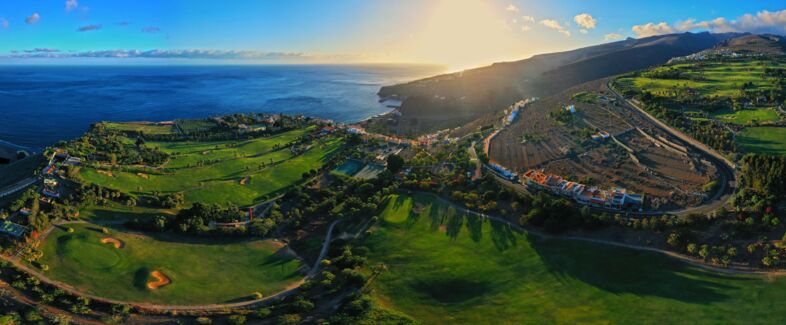
La Gomera is not only known for its impressive nature and hiking trails, but also offers an exceptional golf experience. Tecina Golf is the only golf course on the island and is one of the most spectacular in Spain. It was designed by renowned golf course architect Donald Steel and is set on a cliff overlooking the Atlantic Ocean on the south coast of the island.
With breathtaking views of the sea, the neighboring island of Tenerife and the majestic Teide volcano, the course offers a unique backdrop for golfers of all levels. The 18-hole course is designed to blend in harmoniously with the natural surroundings and offers both strategic challenges and a relaxed game. Thanks to the mild climate all year round, La Gomera is a perfect destination for golfers who want to enjoy sport, relaxation and nature in an exceptional setting.
Attractive golf hotels and resorts in La Gomera
Golf courses in La Gomera
Best Journey Time
The best time to visit La Gomera depends on individual preferences, as the island offers a pleasant, mild climate all year round. For hikers, the months from October to May are particularly suitable, as the temperatures are pleasant and not too hot. Beach vacationers enjoy the warmest temperatures and the most pleasant sea water between June and September. Golfers can visit the island all year round, with spring and fall offering particularly pleasant conditions. Whale and dolphin watching is also possible all year round, with the best chances of calm seas between April and October. Overall, the ideal time to visit is between March and May and between September and November, as the weather is particularly even then.
Special Destinations
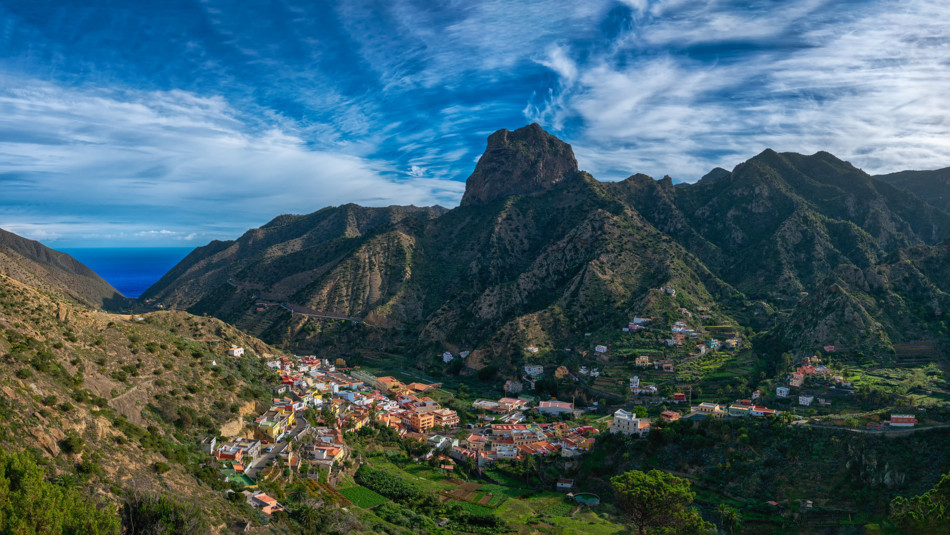
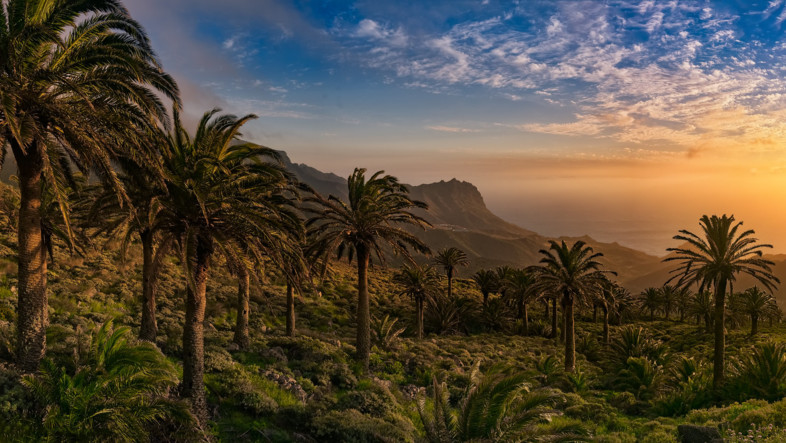
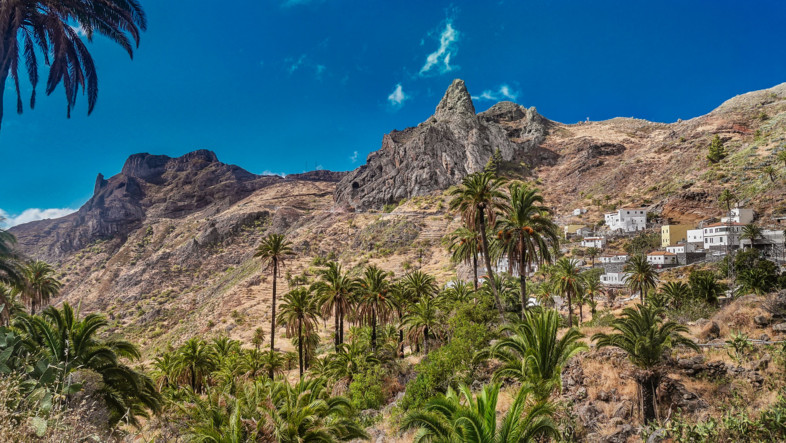
La Gomera offers numerous special excursion destinations that reflect the beauty and uniqueness of the island. The Garajonay National Park, a UNESCO World Heritage Site, is one of the highlights with its ancient laurel forests and spectacular hiking trails. Another destination worth visiting is the Valle Gran Rey, which offers a special atmosphere with its palm groves, beaches and picturesque villages.
The Los Órganos are impressive volcanic rock formations on the north coast that can only be reached by boat. The capital city of San Sebastián de La Gomera boasts historical sights such as the Columbus House. An insider tip is the Mirador de Abrante viewpoint, where a glass platform offers a breathtaking view over the island and the Atlantic Ocean. The traditional whistling language El Silbo, which is still used in some villages today, is also a fascinating cultural experience.
Culinary Highlights
The cuisine of La Gomera is characterized by traditional Canarian influences and regional specialties. A particular highlight is the "almogrote", a spicy cheese cream made from matured goat's cheese, olive oil, garlic and paprika, which is served as a spread on bread. Another typical dish is "gofio", a roasted cereal flour that is used in various dishes, soups or as a side dish.
The most popular main courses include fresh fish and seafood, often served with the traditional "mojo" sauce - a spicy sauce made from paprika, garlic and olive oil. Meat dishes such as rabbit in salmorejo or tender goat meat are also an integral part of the island's cuisine.
Another culinary highlight is the "Miel de Palma", a sweet palm syrup that is used as a natural sweetener for desserts or as a topping for cheese. At the end of a meal, the typical herbal liqueur "Gomerón", a mixture of palm syrup and brandy, is a must.
Arrival & Infrastructure on Site
The journey to La Gomera is usually via the neighboring island of Tenerife, as the island does not have an international airport. La Gomera Airport (GMZ) is only served by domestic flights from Tenerife North. The most frequent connection is therefore a ferry crossing from Los Cristianos (Tenerife) to San Sebastián de La Gomera, which takes around 50 minutes. The ferries are operated by the providers Fred. Olsen Express and Naviera Armas and run several times a day.
The infrastructure on La Gomera is well developed but rural. The road network is winding but well maintained. A rental car is the best way to explore the island flexibly, as public buses (guaguas) only offer limited connections between the larger towns. Cabs are also available, but are rather expensive for longer distances. There is a small harbor for yachts and excursion boats in San Sebastián. Overall, the island is easily accessible, but deliberately quiet and not very touristy, which gives it its special charm.